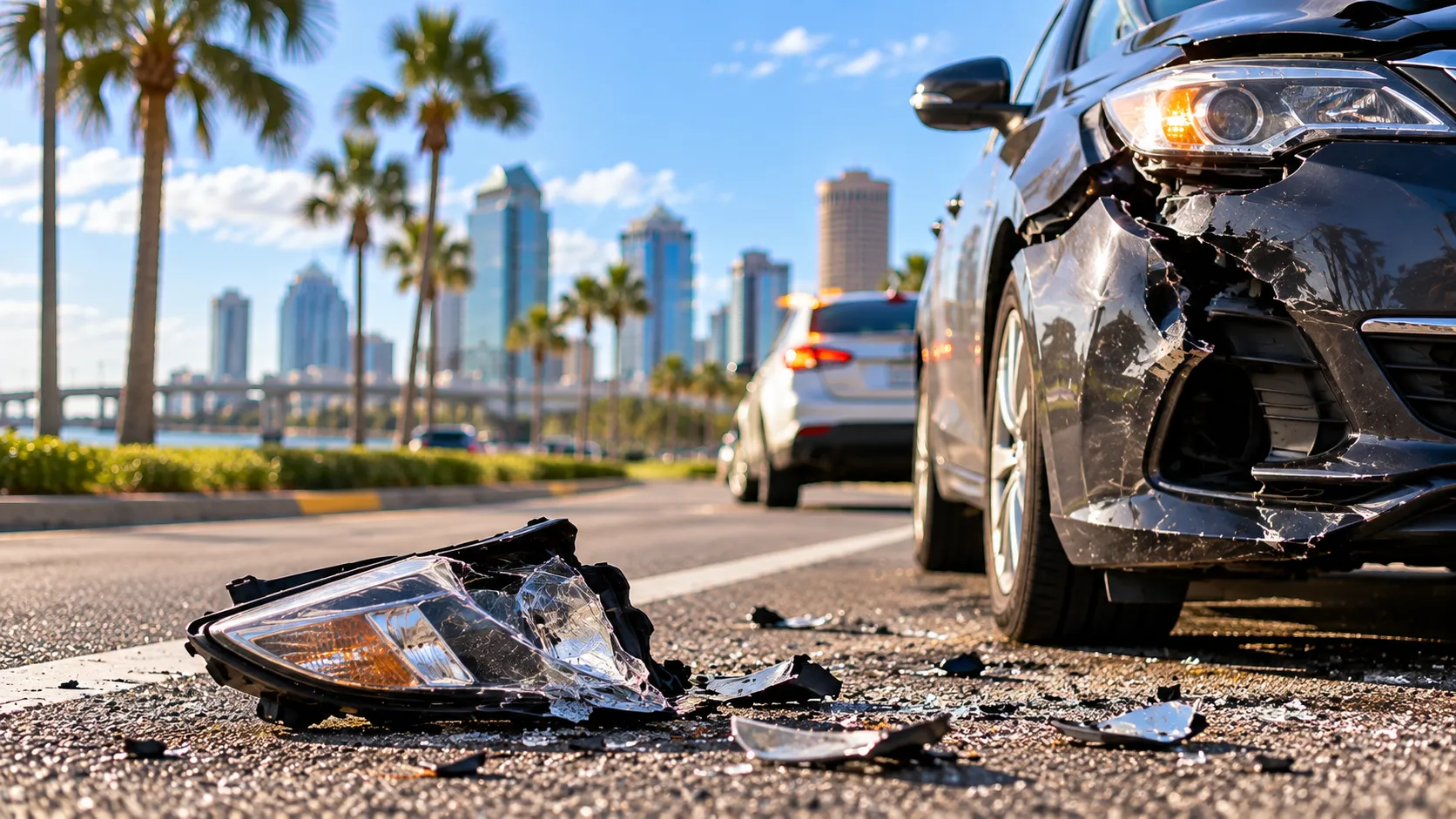
What to Do After a Car Accident in Tampa



What to Do After a Car Accident in Tampa: A Step-by-Step Guide
A crash on I-275 or Dale Mabry Highway can turn an ordinary Tampa afternoon into a blur of adrenaline, confusion, and worry. Your heart is racing, you’re not sure how badly you’re hurt, and the other driver may already be talking fast. It’s a lot to handle at once — and the things you do in the first minutes and days can shape both your recovery and any claim you may need to make later.
Here’s the reassuring part: you don’t have to get everything perfect, and you don’t have to do it alone. This is a plain-language guide to the steps that protect you after a car accident in Tampa and across the Bay area. Work through them in order when you can — and if the scene was too chaotic to do it all, just pick up from where you are now.
Step 1: Check for injuries and get to safety
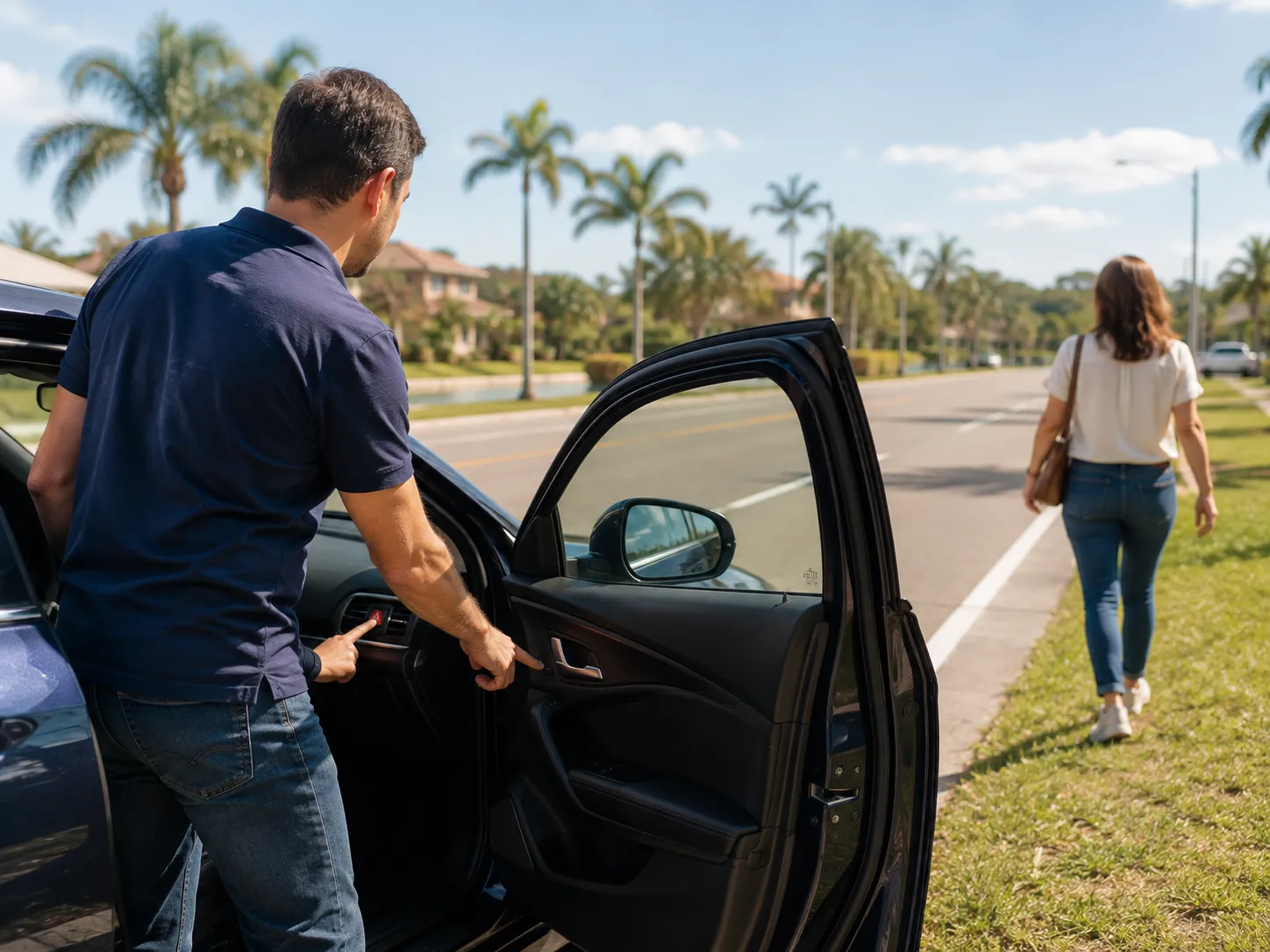
Before anything else, take a breath and check yourself and your passengers for injuries. If anyone is hurt, call 911 right away. If your vehicle is drivable and it’s safe to move, turn on your hazard lights and pull onto the shoulder or into a nearby lot. On fast-moving roads like I-275, I-4, and the Selmon Expressway, getting out of live traffic is the single most important thing you can do — vehicles can be replaced, you can’t.
Step 2: Call the police and get a crash report
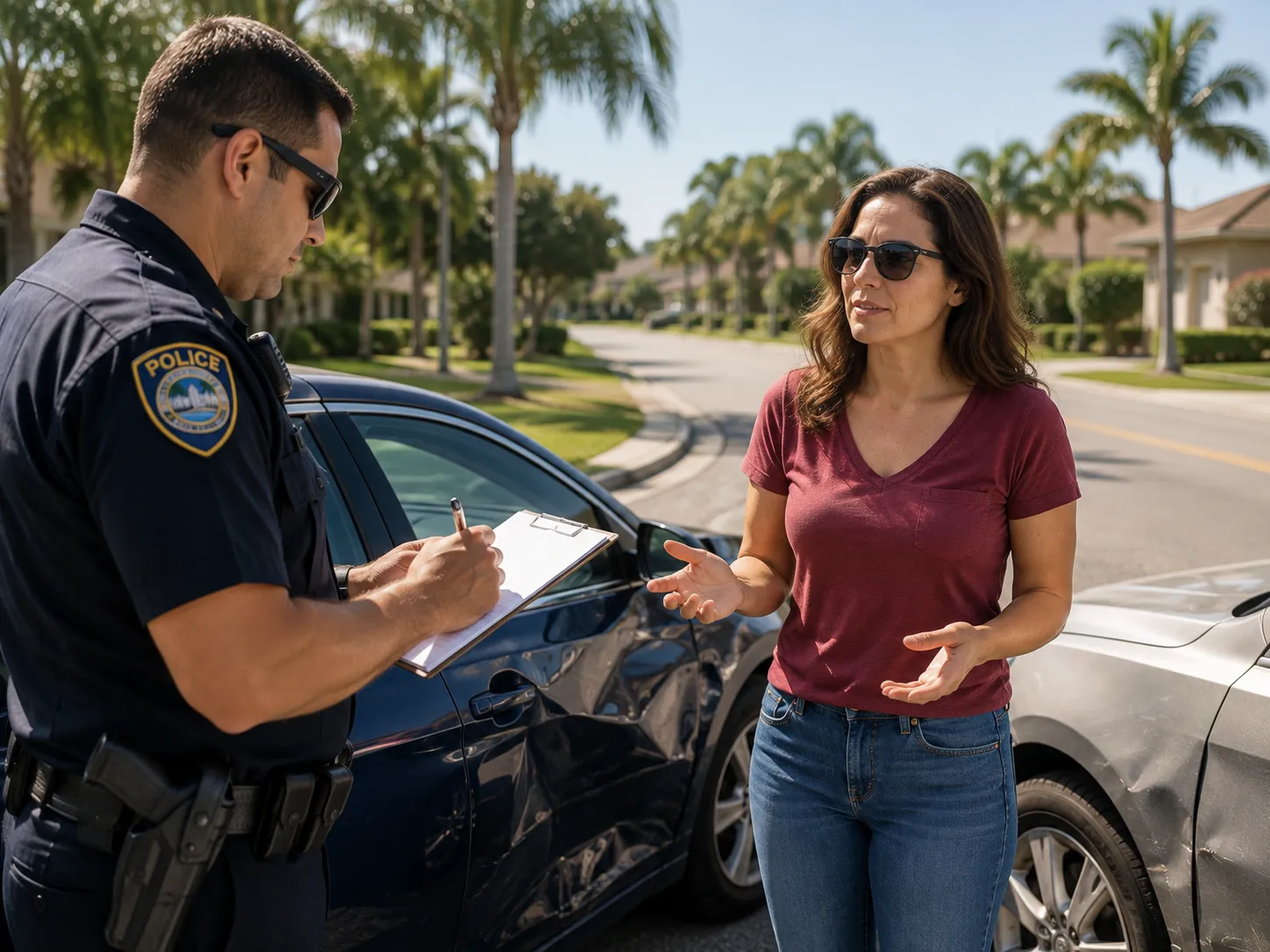
Call law enforcement even if the damage looks minor. Under Florida law, crashes involving injury, death, or property damage of at least $500 must be reported, which covers nearly every collision. The officer’s crash report becomes a key part of the record if you need to file a claim later. Stick to the facts when you speak with the officer. You don’t have to guess at speeds or who was at fault, just describe what happened.
Step 3: Document everything at the scene
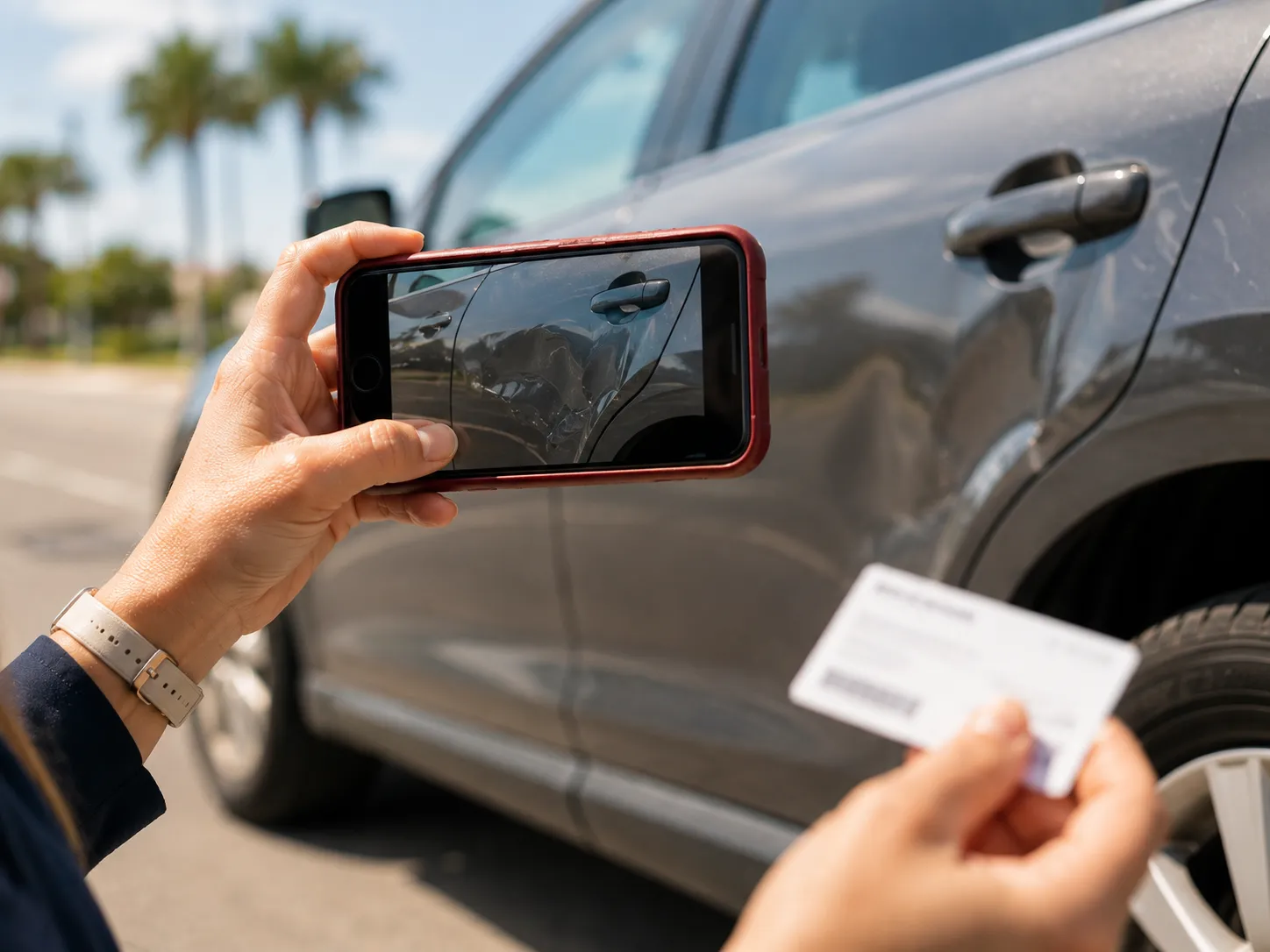
If you’re physically able, use your phone to capture the scene while everything is fresh:
- Photos of every vehicle, the damage, and where they ended up in the road
- The other driver’s name, phone number, insurance, and license plate
- Road conditions, traffic signs or signals, and any skid marks
- Names and numbers of any witnesses
One important note: keep to the facts and avoid apologizing or admitting fault, even to be polite. A simple “I’m sorry” at the scene can be twisted into an admission later.
Step 4: See a doctor within 14 days
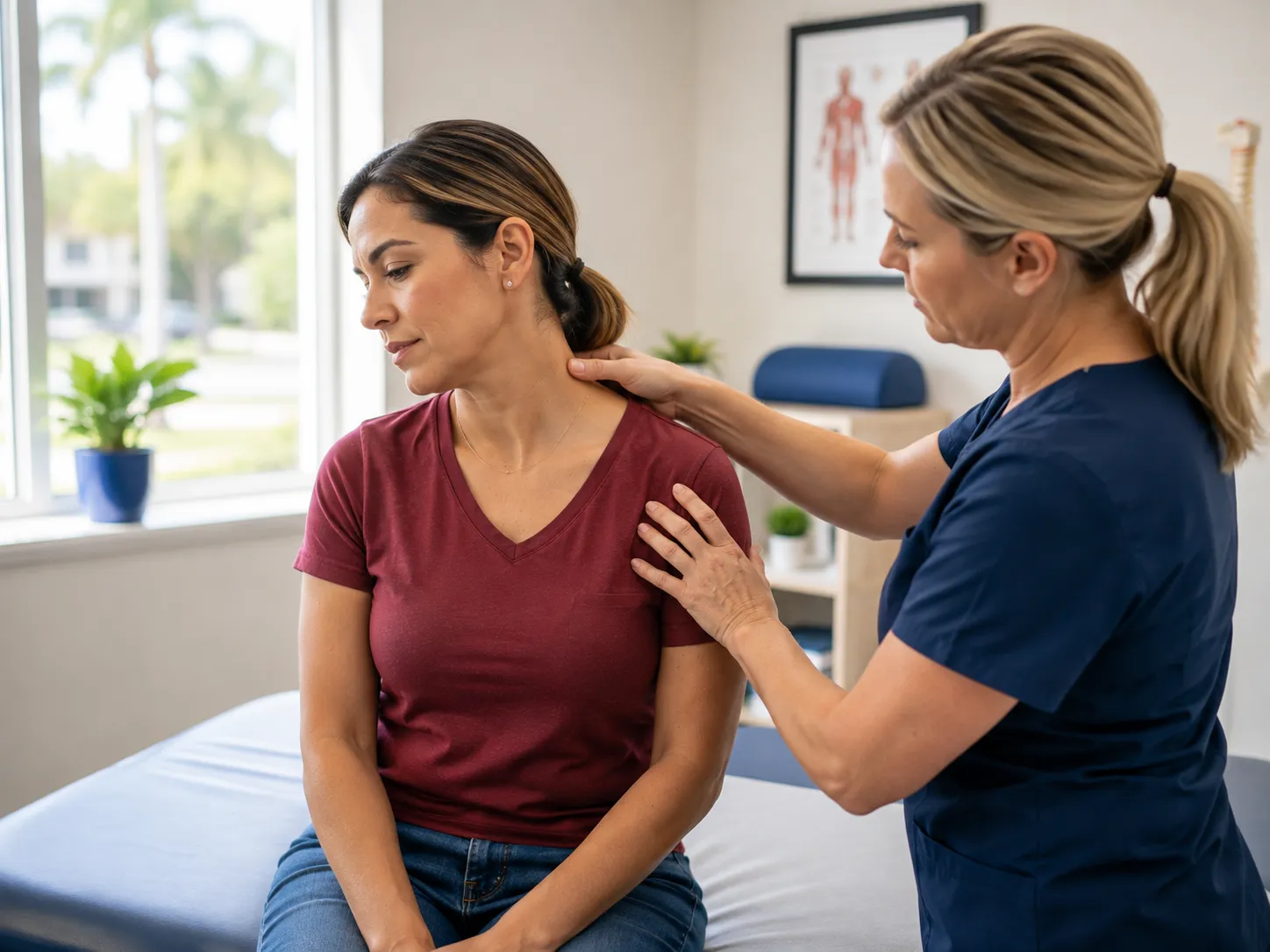
This step matters more than most people realize. Florida is a no-fault state, which means your own Personal Injury Protection (PIP) coverage pays your initial medical bills regardless of who caused the crash — but only if you’re seen by a medical provider within 14 days of the accident. Miss that window and you can lose those benefits entirely.
See a doctor even if you feel fine. Adrenaline masks pain, and injuries like whiplash, concussions, and soft-tissue damage often don’t show up until days later. Getting checked protects your health first, and it also creates a medical record that connects your injuries to the crash.
Step 5: Report the crash to your insurer — carefully

Notify your own insurance company promptly, since your PIP runs through your policy. Be honest and factual — but be careful. If the other driver’s insurer calls, you are not required to give a recorded statement on the spot, and it’s perfectly okay to say you’ll follow up. And don’t accept a fast settlement offer before you know the full extent of your injuries — early offers are often far lower than what a claim is actually worth once treatment is complete.
Step 6: Keep records of everything

Start a simple folder — on paper or your phone — and keep it going:
- Medical bills, records, and prescriptions
- The crash report and any correspondence with insurers
- Notes on missed work and lost income
- Mileage and receipts for accident-related travel
Organized records make it far easier to show what the crash actually cost you.
Step 7: Know your deadlines and talk to a lawyer

Florida gives you limited time to act. For most car-accident injury claims, the deadline to file a lawsuit changed in 2023 and is shorter than many people expect. Florida also follows a modified comparative negligence rule: if you’re found to be more than 50% at fault, you may not be able to recover damages at all — which is exactly why insurers often try to shift blame onto you, and why the evidence you gathered at the scene matters so much.
A conversation with a local Tampa injury attorney is the simplest way to understand your options and your deadlines before they pass. It costs nothing to ask.
Frequently asked questions
Do I have to report a car accident in Tampa? Yes, in most cases. Florida law requires reporting a crash that causes injury, death, or apparent property damage of at least $500 — which covers the vast majority of collisions. Even for a minor bump, calling the police creates an official crash report, and that record can matter a great deal if an injury surfaces later or the other driver’s account changes.
Should I see a doctor even if I feel fine after the crash? Yes. Adrenaline can hide injuries like whiplash and concussions for hours or even days. On top of that, Florida’s no-fault system generally requires you to get medical care within 14 days of the crash to keep your Personal Injury Protection (PIP) benefits — miss that window and you can lose them. Getting checked protects your health first and your claim second.
The other driver’s insurance company called — do I have to give a recorded statement? No. You’re required to cooperate with your own insurer, but you are not obligated to give a recorded statement to the other driver’s insurance company, and it’s perfectly fine to decline or say you’ll follow up later. Adjusters are trained to ask questions in ways that can minimize your claim, so it’s often wise to talk to an attorney first.
What if the driver who hit me doesn’t have insurance? It happens more often than people expect, since Florida drivers aren’t required to carry bodily injury liability coverage. If you’re hurt by an uninsured or underinsured driver, your own PIP pays first, and uninsured/underinsured motorist (UM/UIM) coverage — if it’s on your policy — can help fill the gap. Check your own coverage, and an attorney can walk you through the options.
You don’t have to figure this out alone
If you or someone you love was hurt in a crash in the Tampa area, Merricks Law Group is here to help. Our attorneys bring more than 150 years of combined experience, and we’re aggressive with the insurance companies but personal with you — real people who answer the phone and explain every step.
You focus on healing. We’ll handle the insurance company. There are no fees or costs unless we win. Call (813) 226-3800 for your free consultation, available 24/7.
Take Back Control of Your Life.® Click or Call, That’s All!®
This article is general information about Florida law, not legal advice, and reading it does not create an attorney-client relationship. Every case is different and past results do not guarantee a similar outcome — please speak with a licensed Florida attorney about your specific situation.