
Recovering Financial Compensation for Your Injuries in Florida
If you have been injured due to someone else’s negligence, you deserve more than just medical treatment. You deserve full and fair financial compensation.

Successfully recovering compensation in a Florida personal injury claim requires meeting what is known as the burden of proof. This means demonstrating that another party’s negligence directly caused your injuries and the damages you have suffered.
At Merricks Law Group, we build strong, evidence-based cases designed to maximize your recovery.
Proving Negligence in a Personal Injury Case
To recover compensation, we must establish four key elements:
- The at-fault party owed you a duty of care
- They breached that duty
- Their breach caused your injury
- You suffered measurable damages as a result

Proving Negligence in a Personal Injury Case

Our legal team thoroughly investigates every case to gather the evidence needed to prove these elements.
We collect and analyze:
- Police and accident reports
- Medical records and treatment documentation
- Photographs and video footage
- Witness statements
- Expert testimony
- Employment and wage records
By carefully building your claim from the ground up, we position you for the strongest possible outcome.
Types of Compensation Available in Florida Personal Injury Cases
Every case is different, but injury victims in Florida may be entitled to several categories of damages.
I am a heading

Medical Expenses
You may recover compensation for:
- Emergency room visits
- Hospital stays
- Surgeries
- Physical therapy
- Prescription medications
- Future medical care related to your injury
We work to ensure that both current and anticipated medical needs are accounted for in your claim.

Lost Wages and Loss of Earning Capacity
If your injuries prevent you from working, even temporarily, you may be entitled to compensation for:
- Lost income during recovery
- Missed bonuses or commissions
- Reduced future earning capacity if you cannot return to the same type of work
Serious injuries can impact your financial stability long after the accident. We fight to protect your long-term financial future.
Pain and Suffering
Not all damages are economic. Personal injuries often result in:
Physical pain
- Emotional distress
- Anxiety or depression
- Loss of sleep
- Trauma related to the accident
These non-economic damages are real and significant. We carefully document the impact your injuries have had on your life to pursue fair compensation.

Property Damage
If your vehicle or other personal property was damaged in the accident, you may recover the cost of repair or replacement.

Loss of Enjoyment of Life
Serious injuries can prevent you from participating in hobbies, recreational activities, and family experiences you once enjoyed. When your quality of life is diminished, that loss should be reflected in your compensation.

Building a Case That Maximizes Your Recovery
Insurance companies often attempt to minimize payouts by disputing liability or undervaluing damages. Our firm understands these tactics and aggressively advocates for our clients.
At Merricks Law Group, we:
Conduct comprehensive investigations
Consult qualified experts when necessary
Accurately calculate short- and long-term damages
Negotiate assertively with insurance carriers
Prepare every case as if it may go to trial
Our goal is simple: to recover the maximum compensation available under Florida law.
Speak With a Florida Personal Injury Attorney Today
If you have been injured because of someone else’s negligence, you should not have to shoulder the financial burden alone.
Contact Merricks Law Group today to discuss your case and learn how we can help you pursue the compensation you deserve.
What Our Clients Have To Say


Latest Blog Posts
November 10, 2026
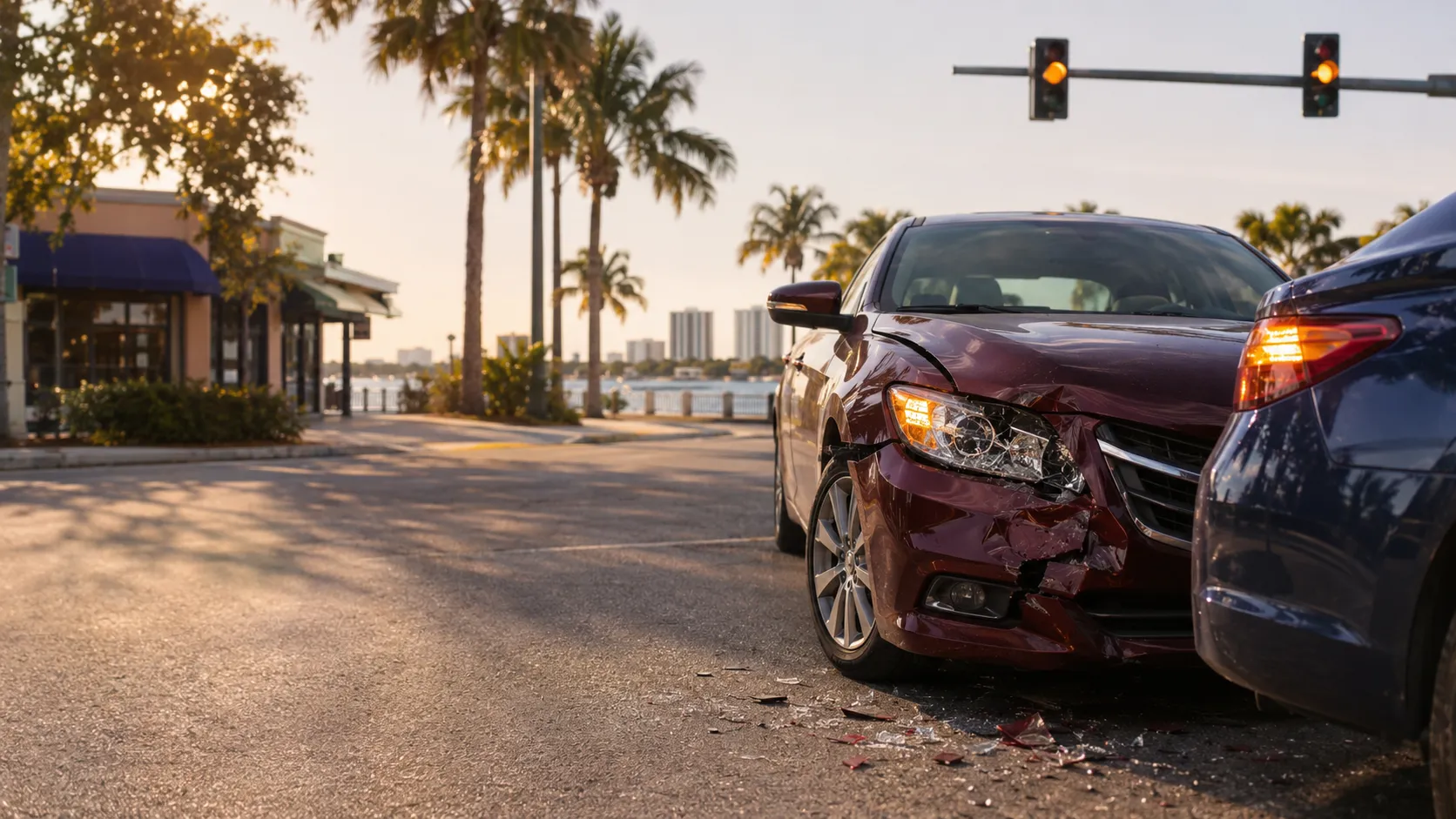
How to Choose a Car Accident Lawyer in Tampa Bay: A Checklist You Can Actually Use
Learn how to choose a car accident lawyer in Tampa Bay: what to check, how Florida caps contingency fees, and the red flags to watch for before you sign.
November 3, 2026

Florida’s Motorcycle Helmet Law: What It Means for Your Injury Claim
Florida motorcycle helmet law lets some riders over 21 ride without one. Learn how that choice can affect your injury claim after a Tampa Bay motorcycle crash.
October 20, 2026

Wesley Chapel Slip and Fall Lawyer
Fell at a Wesley Chapel store, mall, or restaurant? Merricks Law Group takes on retailers and their insurers for injured shoppers. No fees unless we win.