What Evidence Is Needed for a Personal Injury Claim in Florida



When pursuing a personal injury claim, building a strong case depends heavily on the evidence you collect. Knowing what evidence is needed for a personal injury claim Florida can help you prove fault, demonstrate damages, and maximize your potential compensation.
Why Evidence Matters in Personal Injury Cases
In Florida, insurance companies and courts rely on clear, verifiable proof to determine liability and damages. Without sufficient documentation, your claim may be weakened, making it harder to recover compensation for medical bills, lost wages, or pain and suffering.
Understanding the types of evidence in a personal injury case Florida is essential for any claimant.
Key Types of Evidence for a Strong Personal Injury Case
1. Medical Records and Treatment Documentation
Medical records are among the strongest evidence in an accident case in Florida because they link your injuries directly to the accident. Essential documents include:
- Hospital and emergency room records
- Physician notes and treatment plans
- Diagnostic test results (X-rays, MRIs, CT scans)
- Prescription and therapy records
This documentation shows the severity of your injuries and the care required to recover.
2. Police and Accident Reports
Official reports provide an objective record of the incident. A Florida accident police report typically includes:
- Date, time, and location of the accident
- Statements from involved parties and witnesses
- Officer observations and preliminary fault assessment
These reports are crucial when proving liability and can support your claim’s accuracy.
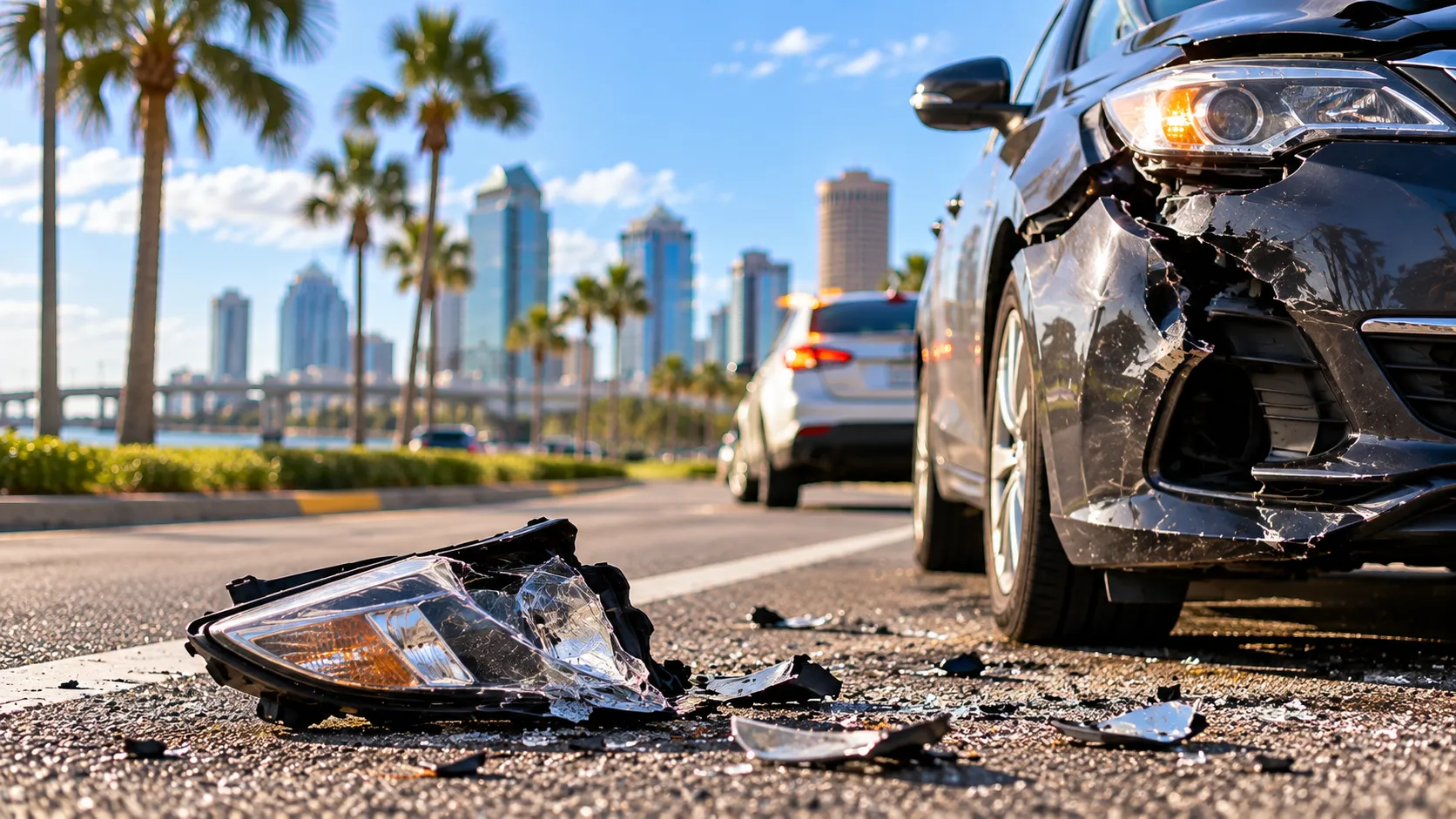
3. Photographs and Video Evidence
Visual evidence can capture details that are easily forgotten over time. Photos or videos should include:
- Vehicle damage
- Property damage
- Injuries and visible bruising or swelling
- Unsafe conditions or hazards at the scene
High-quality visuals strengthen your case by providing clear, indisputable proof.
4. Witness Testimony
Eyewitness accounts can validate your version of events. Accident witness testimony Florida may include:
- Descriptions of how the accident occurred
- Confirmation of parties involved
- Observations of unsafe conditions
Statements from credible witnesses can make a significant difference in proving fault.
5. Financial and Employment Records
To recover damages, you must show how the injury has impacted your life. Relevant documents include:
- Medical bills and receipts
- Pay stubs or proof of lost income
- Records of future treatment costs
- Other accident-related expenses
These records provide tangible evidence of financial losses caused by the accident.
6. Expert Testimony
In complex cases, expert testimony injury cases can clarify technical or medical aspects. Experts may include:
- Medical professionals explaining long-term injury impact
- Accident reconstruction specialists
- Industry experts relevant to the circumstances of the accident
Expert testimony strengthens your argument and supports claims for compensation.
How to Organize Your Evidence
Maintaining a well-documented and organized collection of all relevant materials is key. Keep:
- Chronological medical records
- Copies of accident reports
- Photos and videos in digital and physical formats
- Witness contact information
- Receipts and financial documents
This makes it easier for your attorney to present a compelling case.
Conclusion: Building a Strong Personal Injury Case in Florida
If you’re asking what evidence is needed for a personal injury claim in Florida, the answer is a combination of medical records, accident documentation, photos, witness statements, financial records, and expert testimony. The more comprehensive your evidence, the stronger your case will be.
At Merricks Law Group, we help clients gather all necessary documents needed for personal injury claim Florida, identify the strongest evidence of accident case Florida, and guide them through every step of the claims process.
Contact us today to ensure your personal injury claim is supported by the evidence needed for the best possible outcome.
More Helpful Articles for Your Florida Personal Injury Case

Brandon Personal Injury Lawyer
Lutz Car Accident Lawyer

How Much Is a Slip and Fall Case Worth in Florida?