
Can I Be Compensated for Scarring or Disfigurement?

Available 24/7

Free Consultations

Pay Nothing
Unless We Win
After getting treated for your personal injury accident, you may be left with scar tissue growth around the original injury area. You may receive a different yet still painful scar if you get burned during your accident event. Even worse, though, your incurred bodily injuries may be so impactful that they cause permanent disfigurement to a part of your body. No matter the specifics of your injury, it is unacceptable that a negligent party left you in this state. With that being said, please follow along to find out whether you can get compensated for scarring or disfigurement and how a proficient Pasco County personal injury lawyer at Merricks Law Group, P.A., can help you recover the amount you deserve.
How might a personal injury lead to scarring or disfigurement?
Scarring most commonly results from a personal injury accident when an external object causes blunt-force trauma to your body. Then, disfigurement is likely the consequence of a serious crush injury or other severe impact to your body. Nonetheless, you may be left with any of the following types of scarring or disfigurement:- Types of scarring:
- Severe burns on the body.
- Scars from lacerations/cuts on the face/upper body.
- Types of disfigurement:
- Facial fractures/deformities.
- Lost teeth/impaired vision.
- Mutilation of limbs/loss of limbs from amputation.
- Spinal cord/lower limb injuries that cause mobility issues.
How much can I be compensated for scarring or disfigurement?
You should pursue a personal injury claim against the negligent party whose actions prompted your accident event and subsequently caused your scarring, disfigurement, and other bodily injuries. Now, the amount of economic, non-economic, and punitive damages you may recover from your successful case may depend on the following factors:- The size and location of your scarring and disfigurement (i.e., noticeable scars on your facial features).
- Your current age and how long you will likely have to live with your permanent scarring or disfigurement.
- Your emotional suffering with having to live with these injuries (i.e., self-esteem issues, withdrawal from social settings, anxiety and depression, etc).
- Your physical pain associated with these injuries (i.e., struggle to move limbs with burns, struggle to live independently with lost limbs, etc).
- Your profession and how it will likely be affected (i.e., facial fractures may affect modeling, lower limb injuries may affect construction work, etc).
Relatable Articles
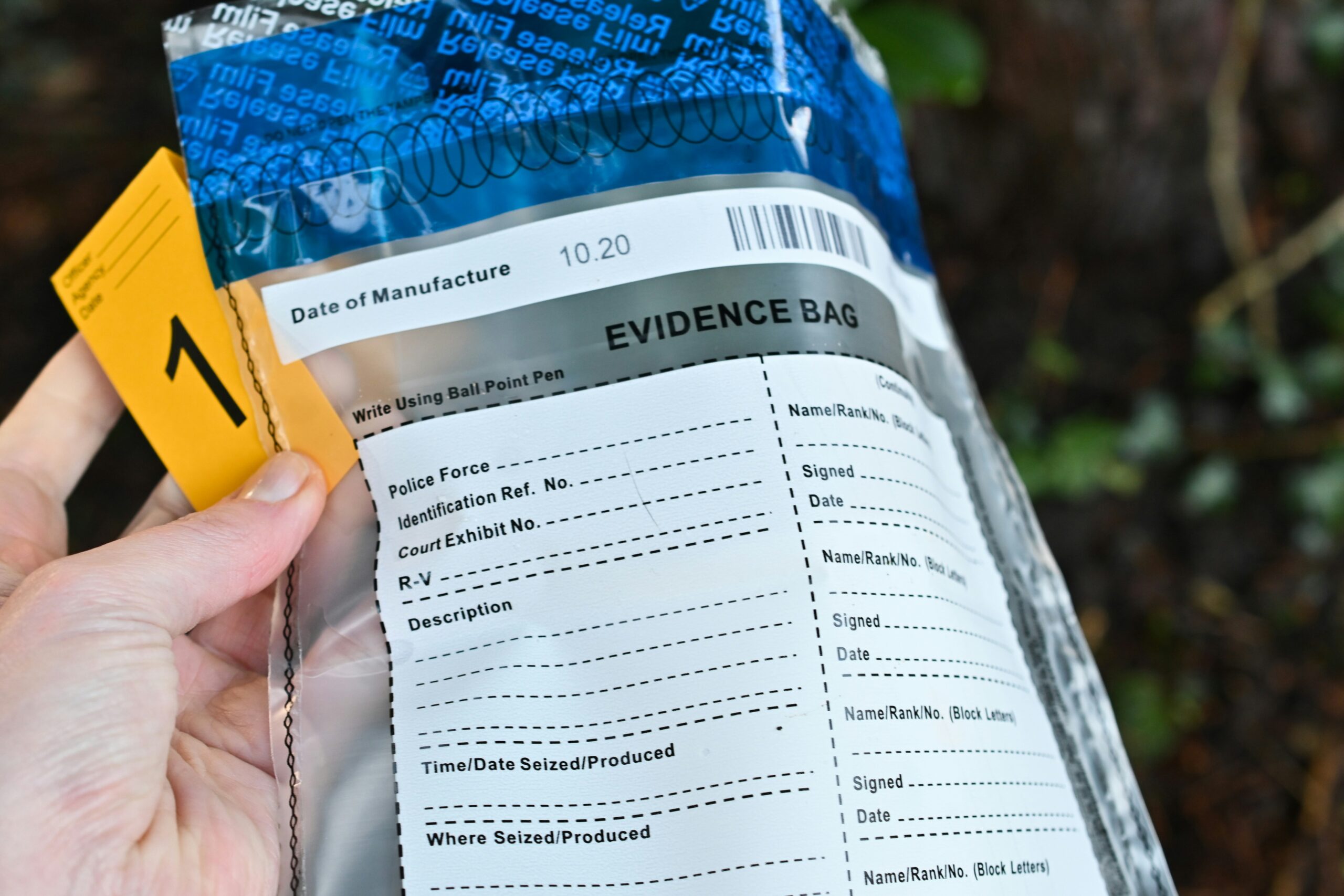
What Evidence Is Needed for a Personal Injury Claim in Florida
April 28, 2026

Understanding Florida Comparative Negligence Law in Personal Injury Cases
April 21, 2026

Delayed Medical Treatment in Personal Injury Cases in Florida: Why Timely Care Matters
April 17, 2026

Florida Accident Police Report: Why It Matters and How to Get One in Hillsborough County
April 14, 2026